Unlocking the Secrets of Modern Gaming: How Video Games Are Changing Our Lives
In recent years, the landscape of gaming has transformed dramatically. What was once considered a niche hobby has now burgeoned into a vibrant industry that influences social interactions, mental health, education, and even the economy. This article aims to delve into the multifaceted impact of video games on our lives, demonstrating how they are not merely entertainment but vital components of modern culture.
Modern Gaming and Its Cultural Impact
Video games have woven themselves into the fabric of our daily lives, impacting everything from the way we communicate to how we manage our mental health. The cultural significance of gaming is profound. No longer confined to a solitary activity, modern games encourage players to connect globally and collaborate in ways previously unimagined.
Global Connection through Multiplayer Experiences
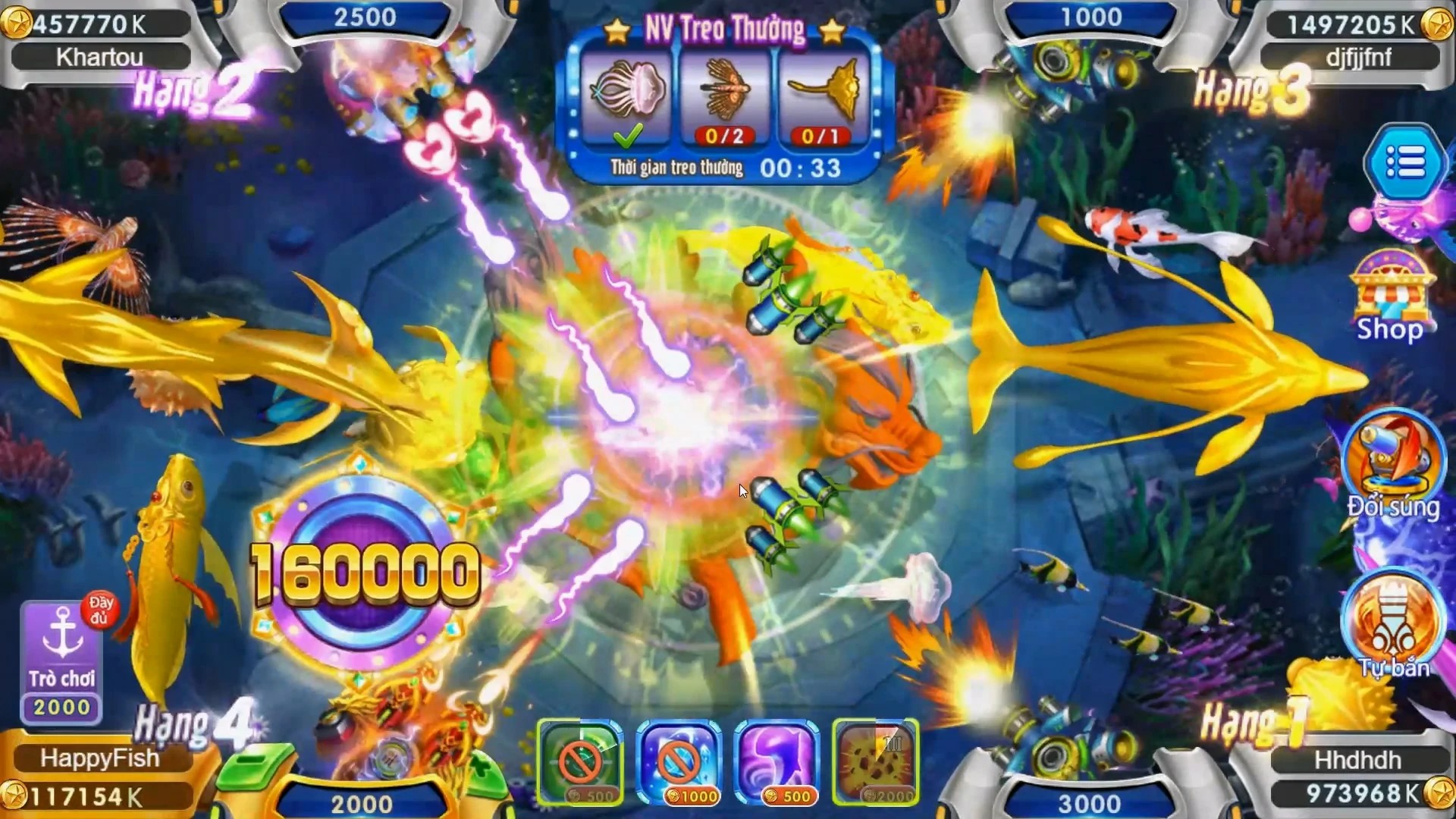
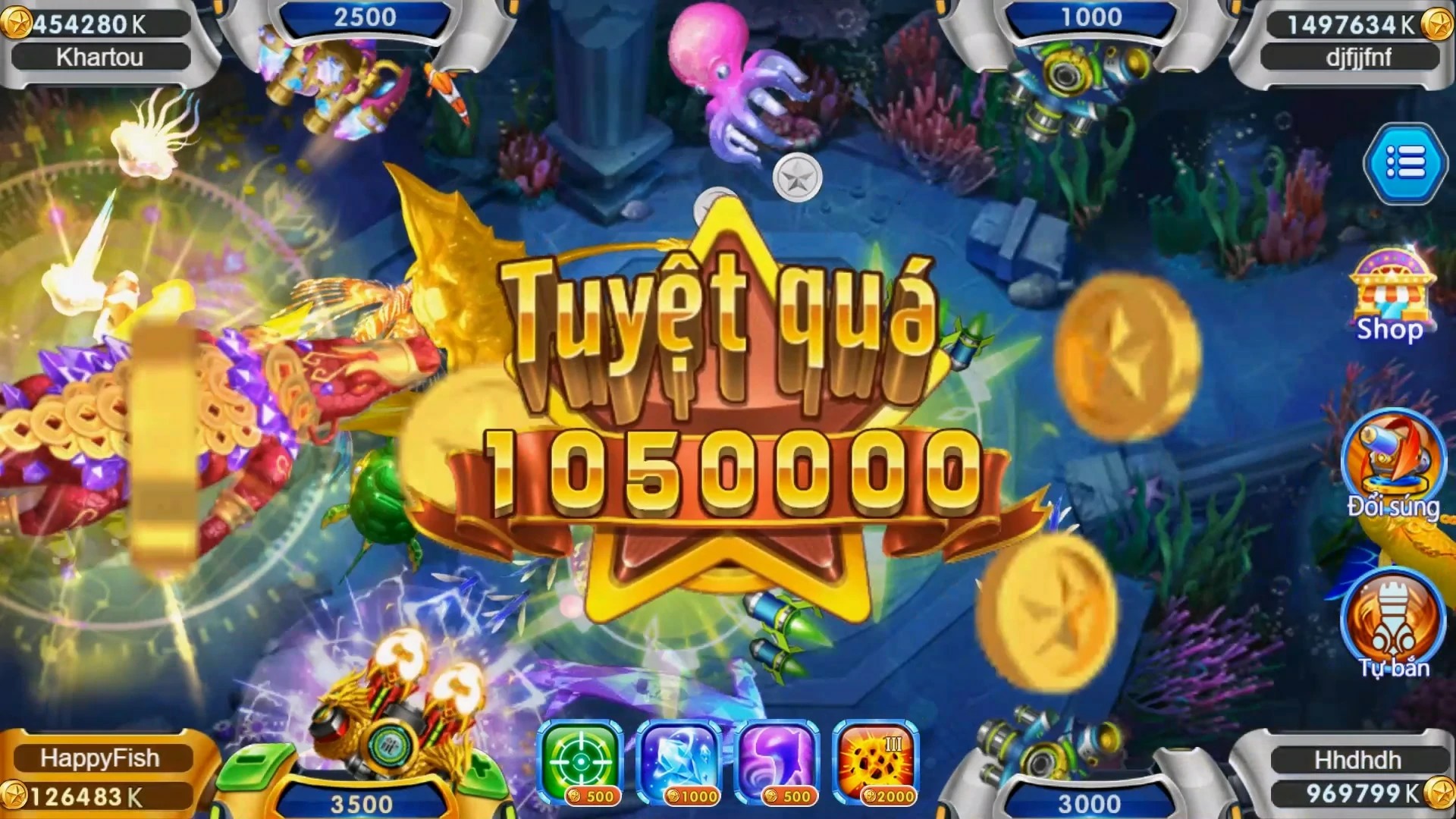
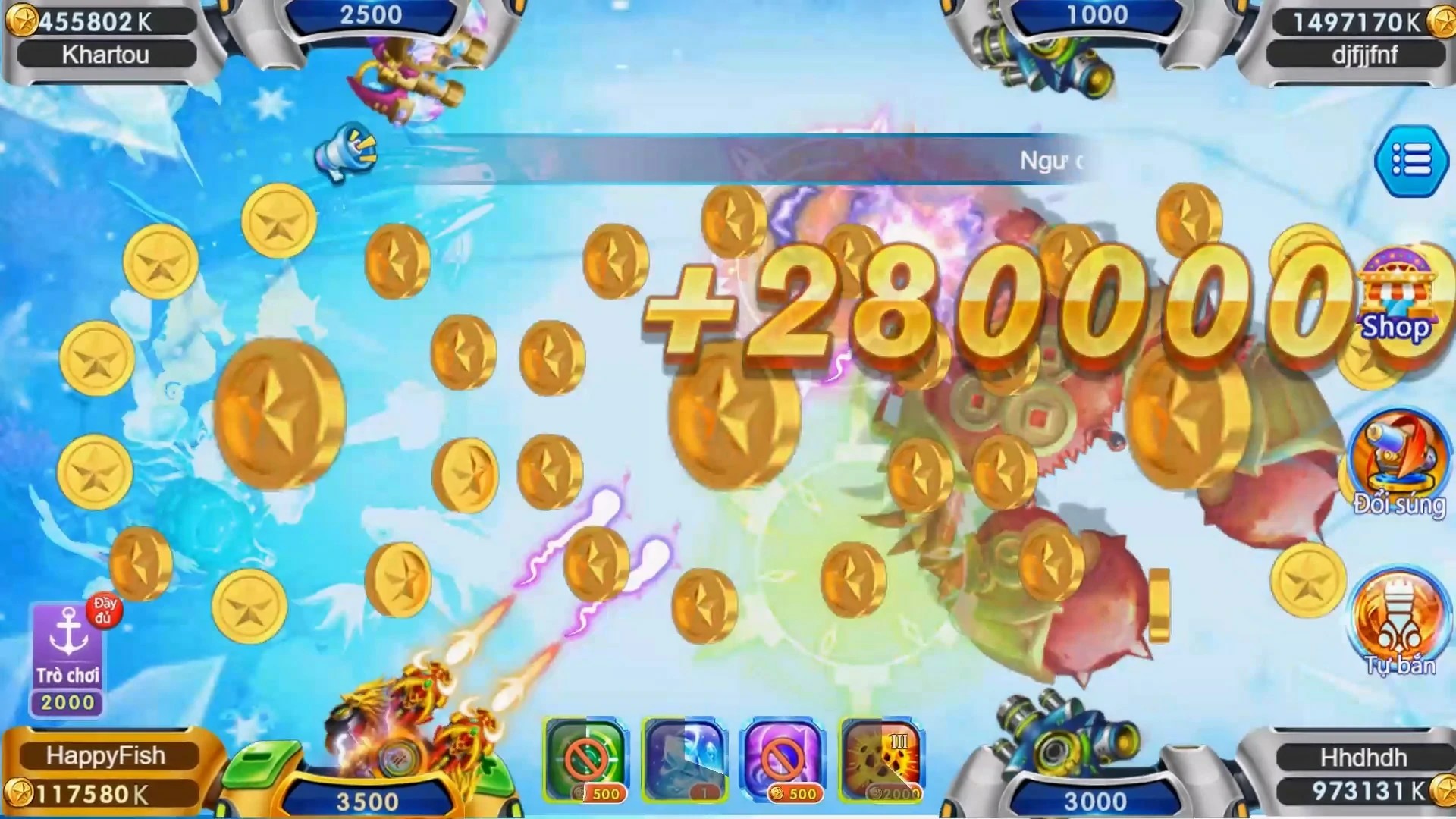
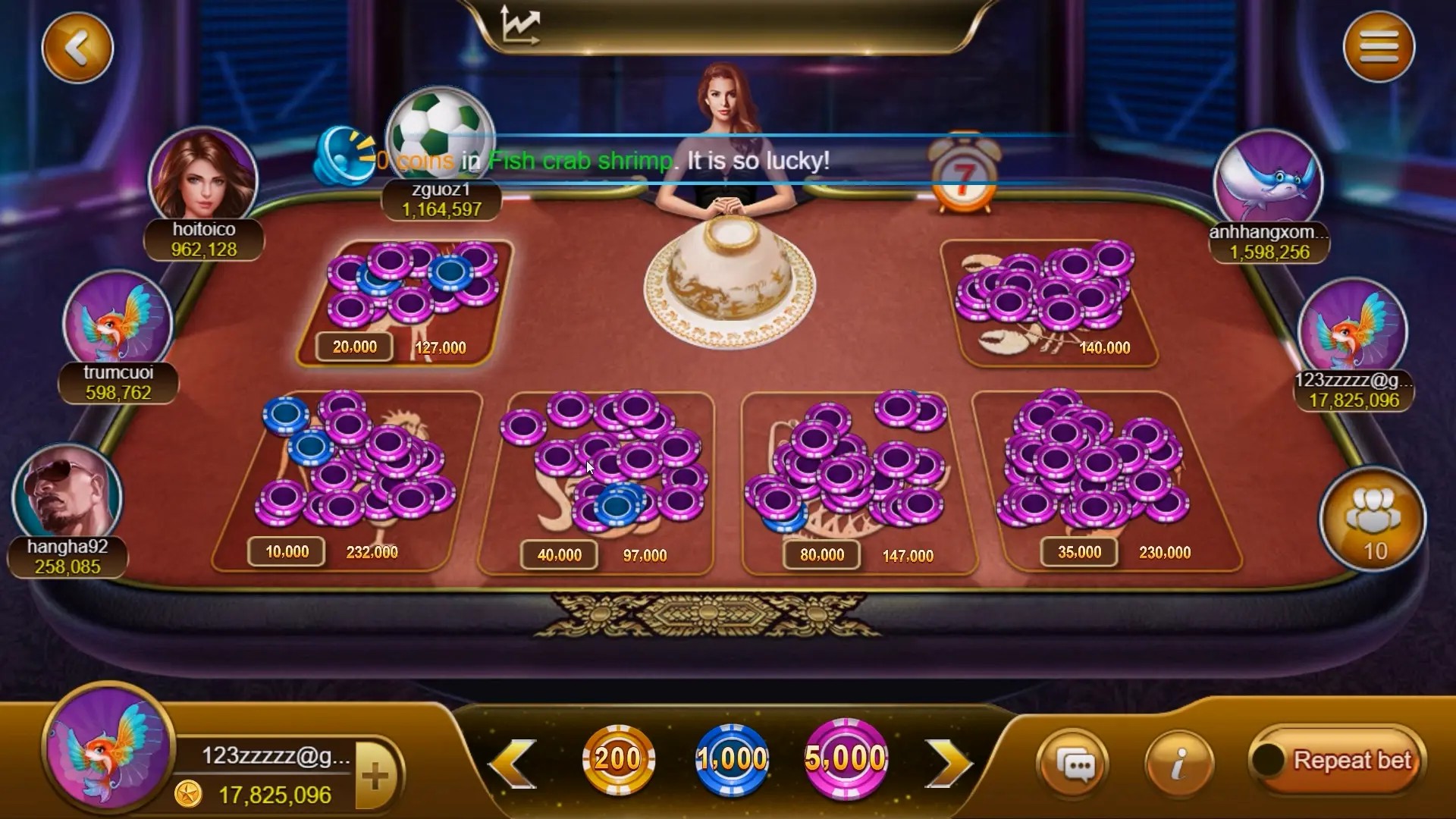
With the rise of online gaming, people from different corners of the world can engage with each other seamlessly. Whether it's teaming up in a first-person shooter or strategizing in a massive multiplayer online game (MMO), these experiences foster a sense of community. Players are not just interacting; they are building friendships, developing teamwork skills, and even engaging in healthy competition.
Gaming and Mental Health
When discussing gaming's impact on mental health, opinions often clash. Critics argue that excessive gaming can lead to addiction and social isolation. However, numerous studies point towards gaming's potential therapeutic benefits.
Positive Effects on Mental Health
- Stress Relief: Engaging in immersive worlds can provide an escape from reality, reducing stress levels.
- Improved Cognitive Skills: Many games stimulate the mind, enhancing problem-solving abilities and critical thinking.
- Social Interaction: Online communities offer support networks, contributing positively to mental well-being.
Education Through Gaming
Video games are not just for entertainment; they have proven to be effective educational tools as well. Educators increasingly embrace gaming as a means of enhancing learning experiences.
Gamification of Learning
Incorporating gaming elements into education can radically change the way students engage with material. Gamification involves applying game design principles to non-game contexts, creating a fun and interactive learning environment. Here are some aspects of how gaming is transforming educational methods:
| Benefit | Description |
|---|---|
| Engagement | Games attract students' interest and encourage active participation. |
| Motivation | Reward systems in games can motivate students to achieve learning goals. |
| Skill Development | Games can teach various skills, from mathematics to storytelling. |
Economic Influence of the Gaming Industry
The gaming industry is a powerhouse, with revenues surpassing even the film industry. Its influence on the global economy is substantial, creating jobs, generating income, and driving technological development.
In Sri Lanka, for instance, the gaming sector is burgeoning, promising to foster local talent and stimulate economic growth. The rise of mobile gaming, in particular, makes it an accessible entry point for many aspiring developers.
Career Opportunities in the Gaming Industry
As the demand for games surges, so too does the need for skilled professionals. Here are some career paths within the gaming domain:
- Game Design: Crafting engaging narratives and dynamics.
- Programming: Writing code that brings games to life.
- Art and Animation: Creating stunning visuals and animations.
- Marketing: Promoting games to a global audience.
- Testing: Ensuring games function as intended before release.
The Future of Gaming
Looking ahead, the future of gaming appears bright. Innovations such as virtual reality (VR) and augmented reality (AR) promise to transform how we experience games. These technologies can immerse players into realistic environments, blurring the lines between the digital and real worlds.
Addressing Concerns and Challenges Ahead
While the benefits are plentiful, it is essential to address potential challenges. Issues like gaming addiction, data privacy, and the need for healthier gaming practices require ongoing dialogue and action from developers, players, and policymakers.
Conclusion
As we've explored, video games are far more than simple entertainment; they are transformative experiences that shape our culture, enhance our learning, and impact the economy. As we embrace the challenges and opportunities ahead, understanding the profound effects of gaming will be crucial. Whether you’re a casual gamer or a seasoned player, the secrets of modern gaming reveal a world brimming with potential and promise.